
Unlocking History Through Artificial Intelligence
HistoryLensAI explores how cutting-edge AI technology revolutionizes historical research, enabling scholars to analyze vast archives, reconstruct timelines, and discover hidden patterns in human civilization.
Explore AI ResearchHow AI Transforms Historical Research

Text Analysis
Advanced natural language processing algorithms analyze historical documents, extracting key information, identifying patterns, and connecting related events across centuries.
Machine learning models can process thousands of documents simultaneously, identifying themes, sentiments, and relationships that would take human researchers years to uncover.
Timeline Reconstruction
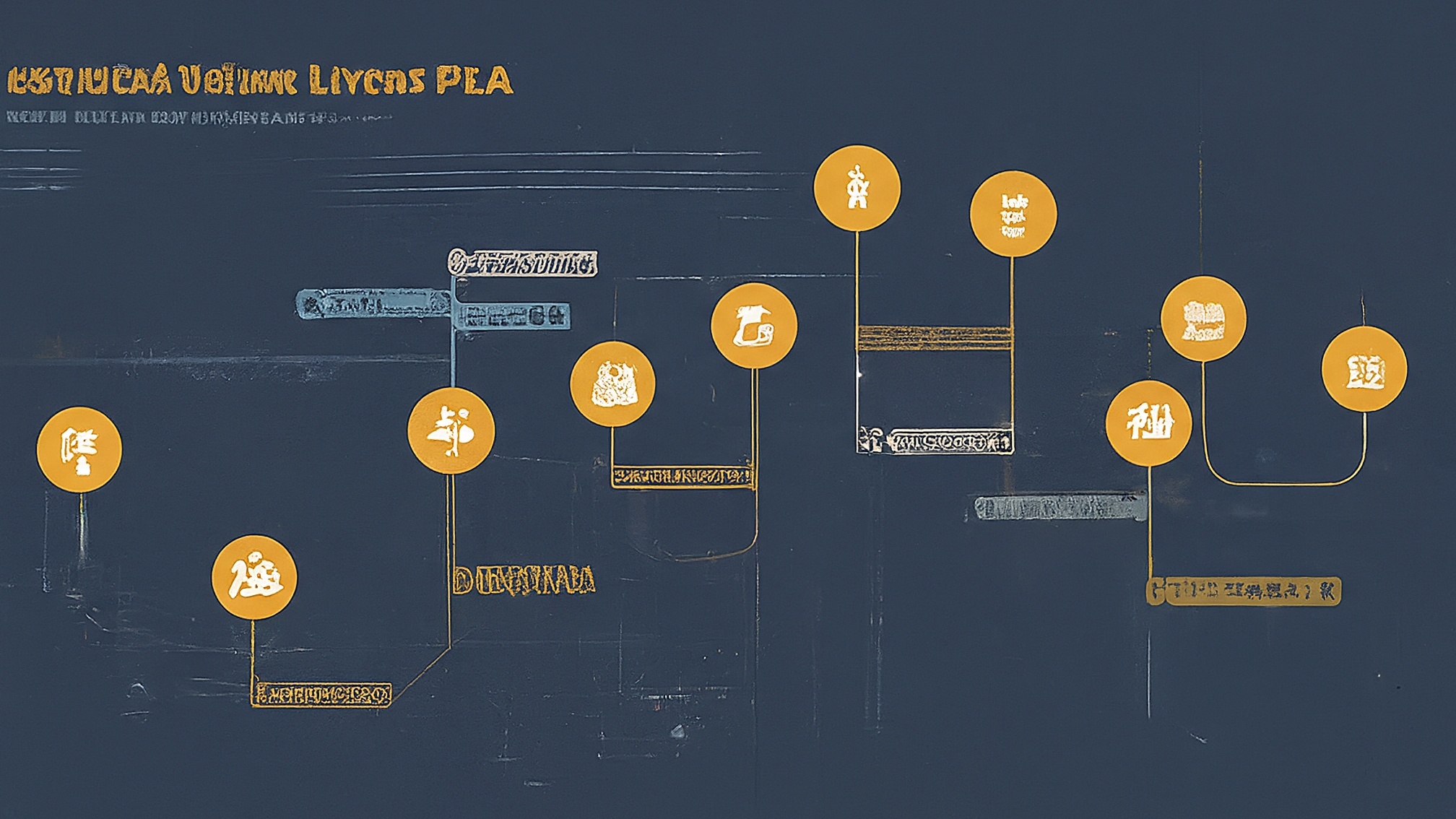
AI systems reconstruct historical timelines by correlating events from multiple sources, identifying causal relationships, and filling gaps in historical records.
These systems can visualize complex historical narratives, showing how events unfolded across different regions and time periods, revealing connections previously hidden.

Cultural Evolution
Machine learning algorithms track cultural changes over time, analyzing language evolution, social patterns, and the spread of ideas across civilizations.
By examining vast datasets of historical texts, AI can identify cultural shifts, migration patterns, and the influence of different societies on each other throughout history.
The AI Research Process
Data Collection
AI systems gather historical documents, texts, and records from digital archives, libraries, and databases worldwide. This includes manuscripts, letters, official records, and published works spanning centuries.
The collection process involves scanning, digitizing, and organizing vast amounts of historical material, creating searchable databases that serve as the foundation for analysis.
Pattern Recognition
Machine learning algorithms identify patterns, relationships, and anomalies in historical data. This includes recognizing recurring themes, tracking changes over time, and discovering connections between seemingly unrelated events.
Advanced neural networks can process context, understand historical significance, and identify patterns that human researchers might overlook due to the sheer volume of information.
Insight Generation
AI systems synthesize findings into coherent narratives, generating insights about historical trends, cultural evolution, and societal patterns. These insights help historians understand the past in new ways.
The technology enables researchers to test hypotheses, explore alternative interpretations, and discover new perspectives on historical events and their significance.
Historical Research Visualizations


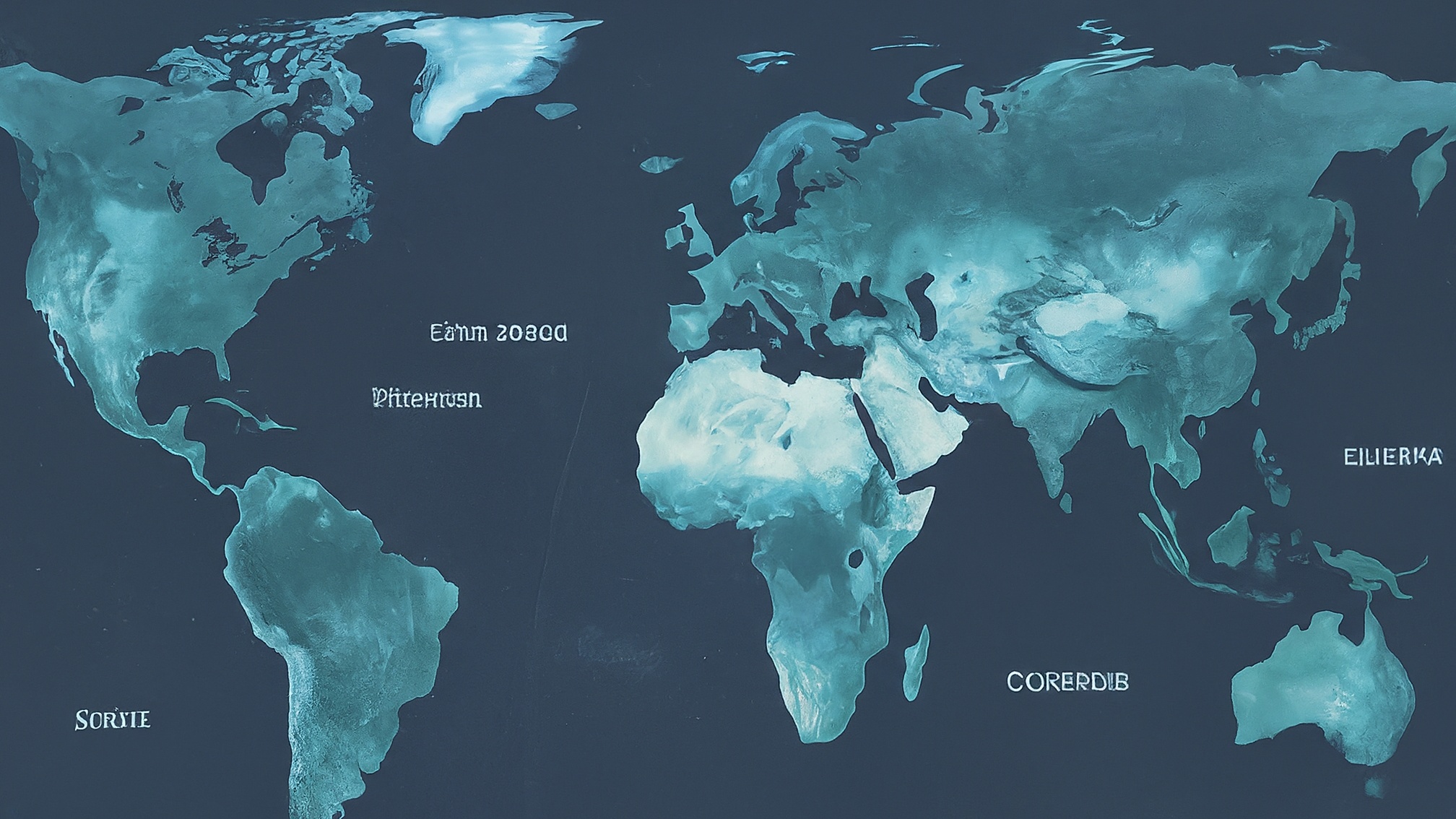
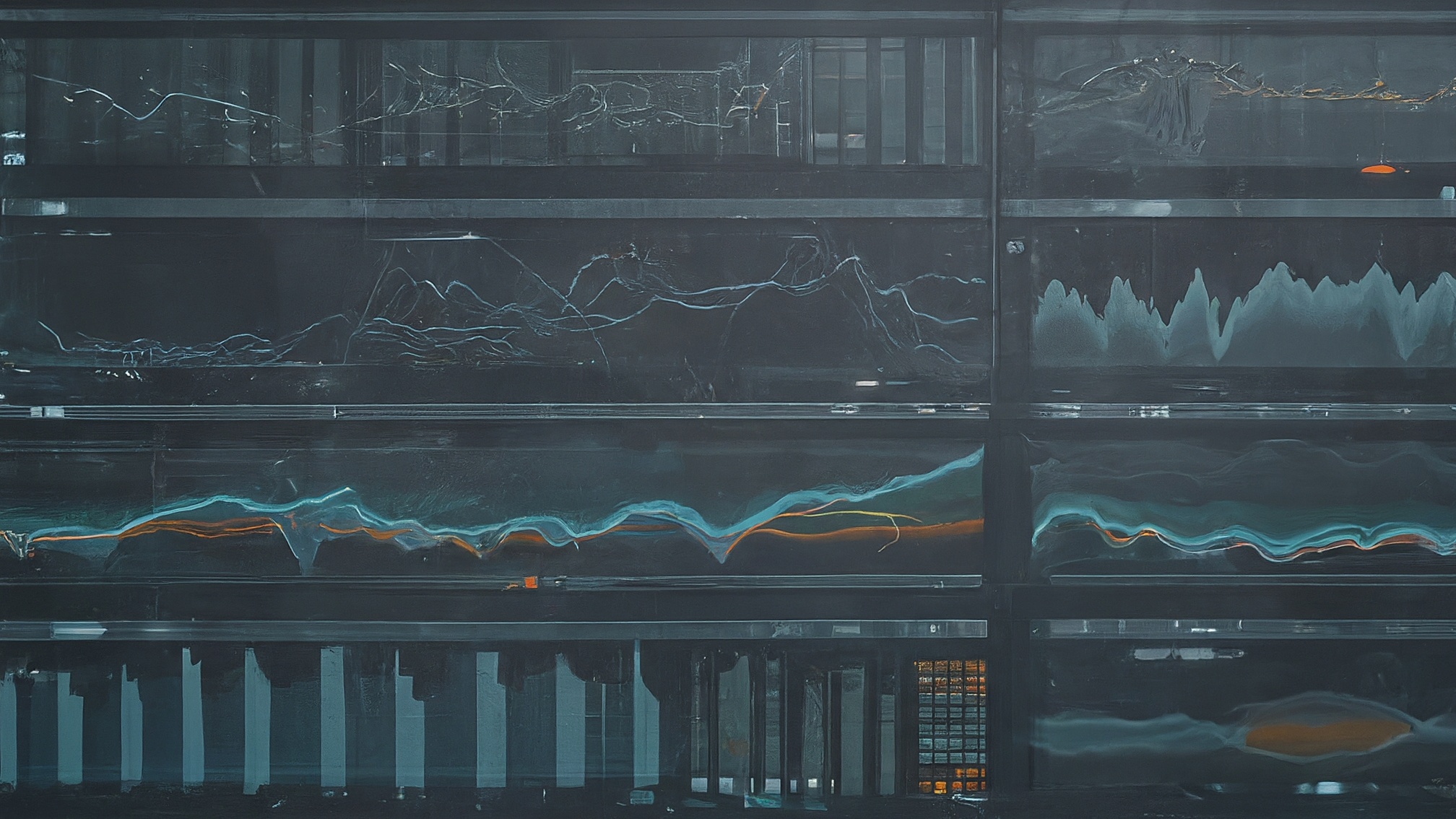
These visualizations represent how AI technology helps researchers understand complex historical data through interactive charts, maps, and timeline representations that reveal patterns and connections across time periods.
Contact Us
Get in Touch
+1 5066897320
355 Longman Crescent, Regina, SK S4N 6G3, Canada
For inquiries about AI applications in historical research, please reach out through the contact form or visit our location.