
AI-Powered Text Analysis in Historical Research
Discover how artificial intelligence transforms the analysis of historical documents, enabling researchers to extract insights from vast archives of text.
Understanding Historical Documents Through AI
Artificial intelligence has revolutionized the way historians approach textual analysis. Traditional methods of examining historical documents required painstaking manual review, limiting researchers to small sample sizes and potentially missing important patterns across large collections.
Modern natural language processing technologies can process thousands of documents simultaneously, identifying key themes, extracting named entities, and recognizing relationships between different texts. This capability enables historians to work with collections that would be impossible to analyze manually within a reasonable timeframe.
Machine learning algorithms trained on historical texts can identify linguistic patterns, track changes in language use over time, and recognize stylistic markers that indicate authorship, period, or cultural context. These technologies help researchers understand how language evolved and how different communities communicated throughout history.
Key Capabilities of AI Text Analysis
Named Entity Recognition
AI systems can automatically identify and extract names of people, places, organizations, and dates from historical documents. This capability helps researchers quickly locate relevant information and build comprehensive databases of historical figures and events.
The technology can recognize entities even when they appear in different forms or languages, helping researchers track individuals and locations across multiple documents and time periods.

Sentiment Analysis
Machine learning models can analyze the emotional tone and sentiment expressed in historical texts, providing insights into how people felt about events, policies, or social conditions during different periods.
This analysis helps historians understand public opinion, social attitudes, and the emotional impact of historical events on contemporary populations.
The Process of AI-Assisted Text Analysis
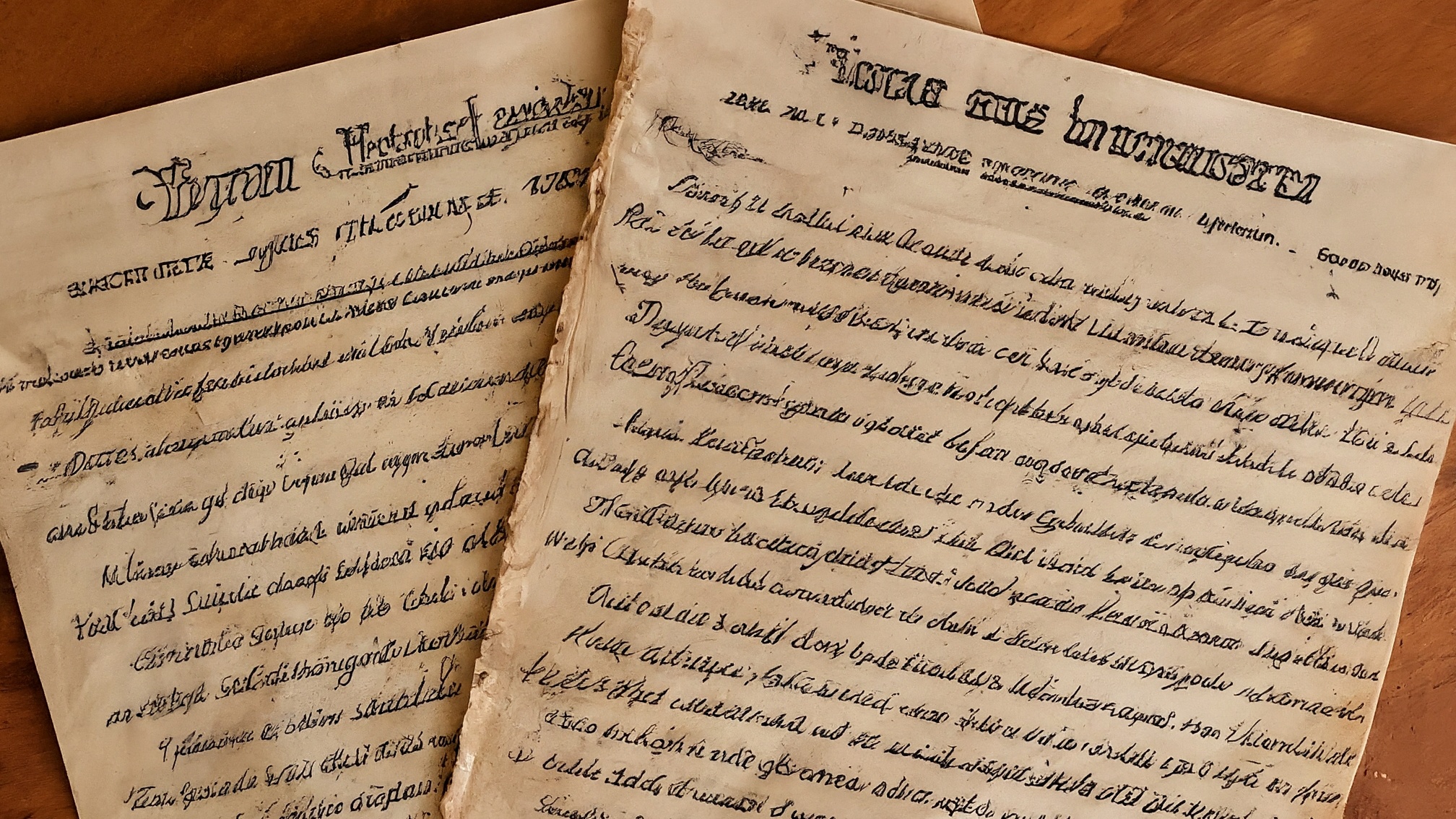
AI text analysis begins with digitization, converting physical documents into machine-readable formats. Optical character recognition technologies can extract text from scanned images, even when dealing with historical handwriting or degraded documents.
Once digitized, documents undergo preprocessing to normalize text, correct errors, and prepare data for analysis. AI systems then apply various natural language processing techniques to extract meaningful information and identify patterns.
The analysis phase involves multiple approaches, including topic modeling to identify themes, relationship extraction to find connections between entities, and temporal analysis to track changes over time. These techniques work together to provide comprehensive insights into historical texts.
Results are presented through visualizations, interactive interfaces, and structured data formats that help researchers explore findings and generate new research questions. The combination of AI analysis and human interpretation creates a powerful research methodology.